Turkey Ratifies the Mecca Pact
yunus
The landscape of Middle Eastern geopolitics experienced a profound structural shift on November 5, 2026, when the Grand National Assembly of Turkey formally ratified the Mecca Joint Defence Agreement.
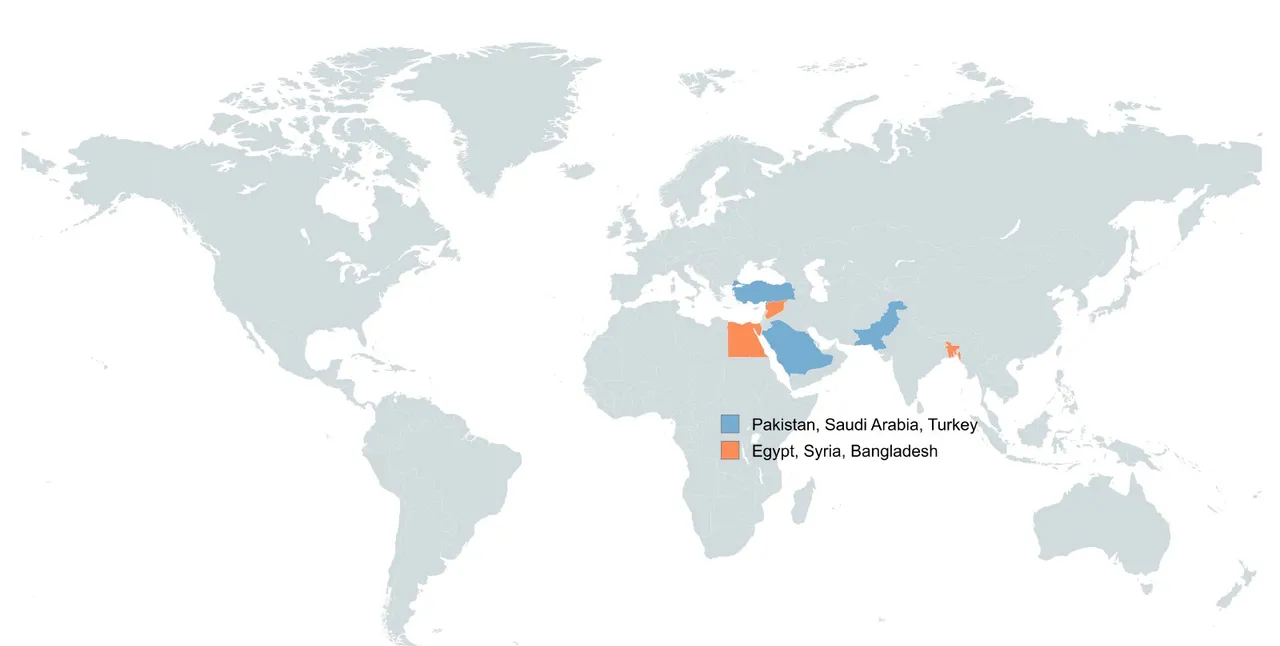
By binding Turkey, Saudi Arabia, and Pakistan into a trilateral mutual defense alliance, the framework aggregates three massive pillars of power:
1. Turkey’s NATO-standard military,
2. Saudi Arabia’s financial dominance, and
3. Pakistan’s status as a nuclear-armed state.
While both Riyadh and Islamabad had already finalized their domestic execution processes, Ankara’s hard-fought legislative approval represents the final foundational piece. However, translating this high-level legal text into an active military reality requires navigating deep constitutional hurdles and an ambitious four-phase implementation roadmap.
The Catalyst and the "3+3 Strategic Framework"
The immediate urgency propelling the pact into operational reality has been a relentless surge in missile and drone attacks targeting Saudi Arabian energy and civilian infrastructure by Yemen’s Iran-backed Houthi rebels. Modelled closely after NATO's Article 5, Article 1 of the 16-article Mecca Pact stipulates that an armed attack against one signatory is legally treated as an attack against all.
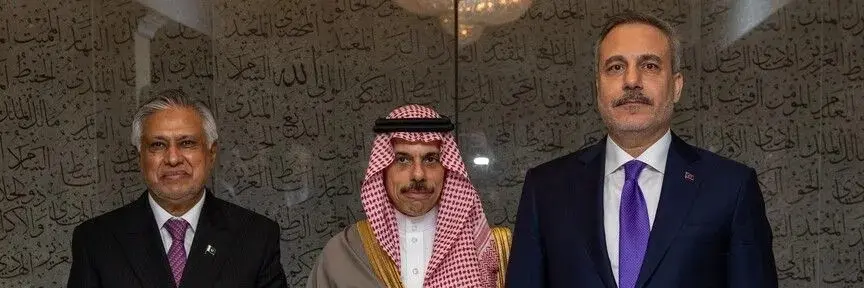
To drive the alliance forward, leaders have established the "3+3 Strategic Framework". This core architecture brings together the Foreign Ministers, Defense Ministers, and Military Chiefs of all three nations. This unified coordination body is tasked with immediate collective deterrence measures, including:
To drive the alliance forward, leaders have established the "3+3 Strategic Framework". This core architecture brings together the Foreign Ministers, Defense Ministers, and Military Chiefs of all three nations. This unified coordination body is tasked with immediate collective deterrence measures, including:
- Tactical Integration: Syncing air defense, unmanned aerial systems (drones), and electronic warfare.
- Intelligence Sharing: Establishing real-time data networks to track asymmetric regional threats.
- Industrial Co-Production: Launching joint weapons production and research to decrease reliance on Western arms suppliers.
The Constitutional Divergence: Turkey vs. Pakistan
A stark contrast exists in how Turkey and Pakistan navigate the legal execution of the Mecca Pact, revealing a clear divide between executive power and legislative oversight.
Turkey's "Two-Key" Constitutional Barrier
- In Turkey, the approval of an international treaty framework falls under Article 90 of the constitution, which the parliament fulfilled during its contentious vote. However, this does not grant an automatic right to dispatch forces. Under Article 92 of the Turkish Constitution, President Recep Tayyip Erdogan must secure a completely separate legislative mandate (tezkere) from parliament before a single Turkish soldier can be deployed overseas. Keenly aware of domestic sensitivities, Turkish Defense Minister Yasar Guler emphasized that Ankara's initial footprint will remain limited to technical support and advanced weaponry rather than combat troops.
Pakistan's Streamlined Executive Path
- In sharp contrast, Pakistan bypassed a mandatory legislative vote to begin implementing its defense commitments. Under Article 90 of the Pakistani Constitution, the conduct of foreign affairs, treaty making, and the operational deployment of military assets fall squarely within the executive domain of the federal government. The pact was considered legally processed the moment it received the explicit approval of Prime Minister Shehbaz Sharif and the federal cabinet.
The Four Implementation Phases of the Mecca Pact
The alliance relies on a progressive, multi-stage rollout to transform from a diplomatic agreement into a functioning security architecture:
- Phase 1: Concept and Declaration (Completed): The diplomatic signing of the text on August 7, 2026, by the three heads of state in Mecca, establishing the core collective defense principle.
- Phase 2: Structural and Legal Ratification (Current Milestone): Passing the bill through respective legal systems, legally locking the member states into a mandatory 10-year period where unilateral withdrawal is strictly prohibited.
- Phase 3: Operational Organization and Headquarters Setup (Underway): Activating the 3+3 Committee and standing up a permanent physical secretariat in Riyadh. Retired Pakistani Lieutenant General Nauman Mahmood has been appointed as the inaugural Secretary-General.
- Phase 4: Durable Institutional Practice & Power Projection (Future Horizon): Establishing integrated operational commands. While a country under attack must currently formally request technical help, Phase 4 aims to pre-designate military units that can deploy instantly during a crisis without political delays.
Domestic Friction and Future Expansion
While the agreement sailed through Pakistan's executive branch, it triggered a highly polarized debate within Turkey's parliament, passing 279 to 119. Opposition parties - led by the Republican People’s Party (CHP) and the New Party - mounted fierce resistance. Lawmakers voiced serious anxieties that the 10-year lock-in clause could overextend Turkey's military and draw the country into structural regional quagmires, warning against sending Turkish soldiers to "the deserts of Yemen." Critics also argued that locking into a Middle Eastern mutual defense obligation could generate acute conflicts of interest with Turkey's pre-existing commitments to NATO.
Expansion
Despite the domestic friction, the alliance is already looking toward expansion. Subject to unanimous consent from the original three signatories, several nations have entered active deliberations regarding future inclusion:
- Syria: The post-Assad government under Ahmed al-Sharaa has expressed intense interest in joining the pact to secure its borders and rebuild its national security architecture.
- Egypt: Considered a natural partner for the bloc, Cairo is currently conducting technical reviews to study the long-term strategic implications of controlling critical Red Sea maritime chokepoints.
- Bangladesh: Speculation has mounted regarding Dhaka's entry under its center-right government. While Foreign Minister Khalilur Rahman confirmed the government views the pact positively, deliberations are moving cautiously to avoid complicating delicate relations with neighboring India.