
Hackers Attack Operational Tech in Europe
yunus
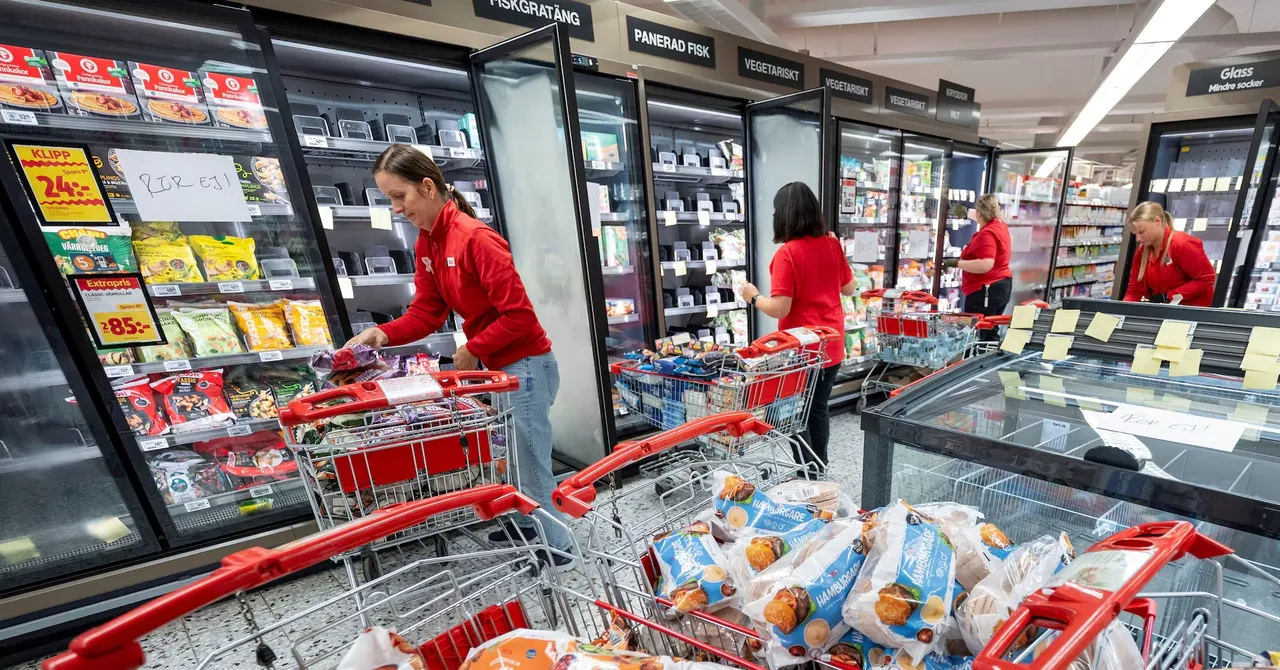
A highly coordinated cyberattack has exposed a dangerous vulnerability in modern supply chains by turning internet-connected supermarket refrigeration systems into tools of economic disruption. Across at least ten European nations, anonymous hackers remotely hijacked building management systems to manipulate thermostat settings, forcing industrial freezers into a continuous defrost loop that pushed temperatures up to 50°C (122°F). The resulting spoilages forced retail giants to dump millions of euros worth of fresh and frozen food.
From a threat intelligence perspective, the lack of data theft or ransom demands points directly away from traditional cybercriminals. Instead, cybersecurity and intelligence officials suspect state-sponsored advanced persistent threats (APTs), with eyes turning toward Russia. Observers note this appears to be a calculated geopolitical campaign aimed at striking the core of Western food security, testing infrastructure resilience, and causing psychological unrest among the public.
This operational technology (OT) tampering is part of a growing trend. Similar mysterious freezer malfunctions hit six US military bases in August, and UK grocery supply chains suffered disruptive ransomware attacks last year. These incidents signal a paradigm shift in threat landscapes. As everyday infrastructure moves online, any unsecured IoT or OT node becomes a viable target.
In the future, security teams must brace for attackers utilizing AI-boosted malware to hunt for legacy, unpatched industrial interfaces. We can expect future campaigns to shift from data extortion to physical sabotage - targeting energy grids, water treatment plants, and automated logistics networks to intentionally paralyze society without firing a single shot. For modern enterprises, securing the digital perimeter now means protecting physical assets.