India’s largest dam planned to counter China faces Indigenous revolt
yunus
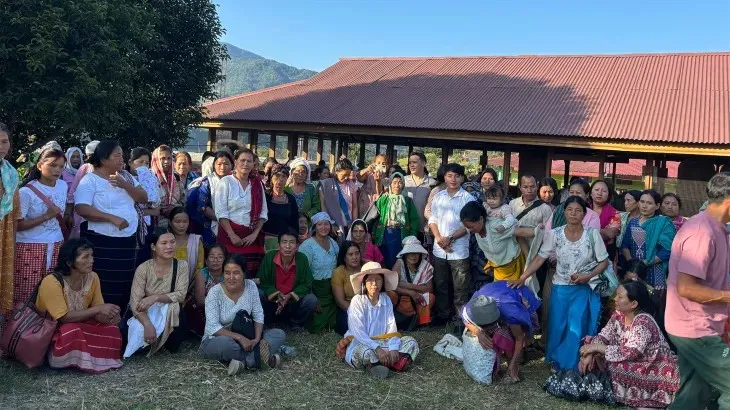
India is planning its largest-ever hydropower project - the Siang Upper Multipurpose Project (SUMP) - in the northeastern state of Arunachal Pradesh. Designed to generate 11,200 megawatts of electricity and hold massive amounts of water, the project is a direct response to a massive upstream dam being built by China. However, New Delhi’s multi-billion dollar strategic shield has run into a major roadblock: a fierce revolt by the indigenous Adi community, who fear the project will submerge their homeland and wipe out their culture.
To understand why this remote Himalayan valley has become a flashpoint for international geopolitics and civil unrest, it helps to look at the three forces colliding here: geography, strategic defense, and indigenous rights.
The Geography: One River, Two Names
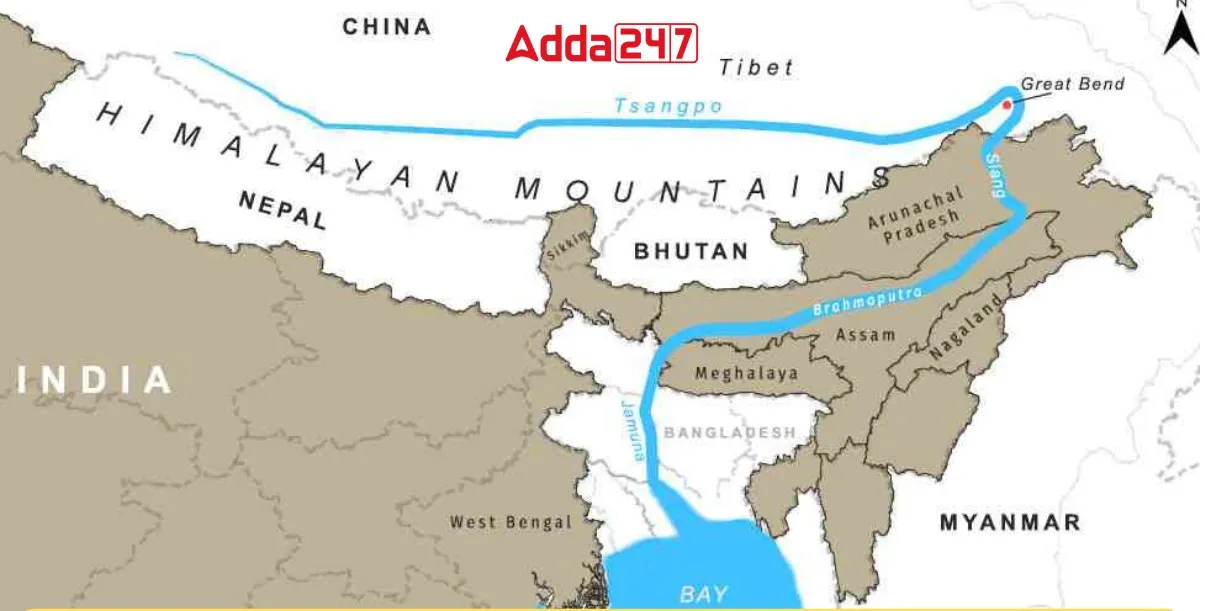
The conflict centers around a single, powerful river. It starts high up in Tibet, where China calls it the Yarlung Tsangpo. It then flows south, crossing the mountainous border into India’s Arunachal Pradesh, where locals call it the Siang. As it runs further down into the plains of Assam, it becomes the mighty Brahmaputra, a vital lifeline for tens of millions of farmers. Because China sits upstream, it controls the tap. India, sitting downstream, is highly vulnerable to whatever China does to the river.
The conflict centers around a single, powerful river. It starts high up in Tibet, where China calls it the Yarlung Tsangpo. It then flows south, crossing the mountainous border into India’s Arunachal Pradesh, where locals call it the Siang. As it runs further down into the plains of Assam, it becomes the mighty Brahmaputra, a vital lifeline for tens of millions of farmers. Because China sits upstream, it controls the tap. India, sitting downstream, is highly vulnerable to whatever China does to the river.
The Strategy: What Does "Countering China" Mean?
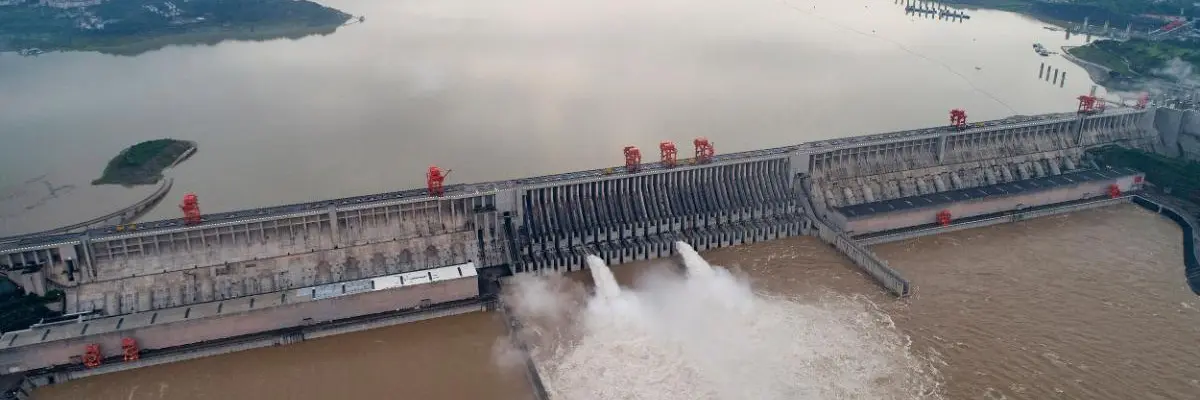
China is currently planning a colossal 60,000-megawatt mega-dam in Tibet, just miles before the river enters India. To counter this, India is rushing to build its own massive dam right on the border. New Delhi’s strategy is built on three main goals:
China is currently planning a colossal 60,000-megawatt mega-dam in Tibet, just miles before the river enters India. To counter this, India is rushing to build its own massive dam right on the border. New Delhi’s strategy is built on three main goals:
- A "Giant Sponge" Against Floods: If China suddenly releases a massive wave of water during the monsoon season - either accidentally or intentionally - it could trigger catastrophic flash floods in India. India's dam is designed with a massive reservoir to catch, hold, and safely release these sudden surges.
- A Shield Against Drought: Conversely, if China decides to hold back water during the dry season, it could starve India's northeastern states of water. By storing its own water in a reservoir, India ensures it has a reliable backup supply.
- The Legal Race ("Use It or Lose It"): Under international water law, the country that first puts a river's water to major use establishes a stronger legal claim to it. By building this dam, India is trying to legally lock in its right to the river’s natural flow before China can permanently alter it.
- Asserting Sovereignty: China claims Arunachal Pradesh as its own territory (calling it "South Tibet"). Building India's largest infrastructure project right on the border is a powerful statement that New Delhi firmly controls the region.
The Revolt: Why Locals Are Fighting Back
- While the Indian government views the dam as a matter of national security, the indigenous Adi community views it as an existential threat. For centuries, the Adi people have lived along the Siang, relying on it for farming, fishing, and spiritual practices.
- Fears of Submersion: A dam of this size requires a massive reservoir. The Adi community fears that the rising water will submerge their ancestral villages, sacred burial grounds, and fertile agricultural lands, displacing thousands of families.
- Environmental Risks: The Himalayas are one of the most earthquake-prone regions in the world. Local activists and scientists warn that building a massive artificial lake in a high-seismic zone is a recipe for disaster, risking a catastrophic dam failure.
- Escalating Unrest: Tensions boiled over in late October 2026. Following a strike called by indigenous groups and youth organizations, protests in the town of Pasighat turned violent. Government offices and police stations were targeted, forcing the central government to deploy paramilitary forces to control the unrest.
The Dilemma Ahead
The Siang River project highlights a painful compromise. For India, building the dam is a critical national defense strategy to protect its water security from a powerful neighbor. But for the people who have guarded the valley for generations, the project represents the destruction of their way of life. As a crucial three-month geological survey begins in late 2026, the Indian government faces the grueling task of balancing national security with the rights of its own citizens.